SELVEH · Mānuka trade programme
Mānuka for wholesale & distribution.
SELVEH is an independent premium Mānuka honey brand focused on Australian- and New Zealand-origin ranges. We welcome enquiries from qualified importers, distributors, wholesalers and premium retailers worldwide. Every commercial discussion starts with your market, channel and product priorities; specifications, availability and terms are confirmed in a written offer.
Australian and New Zealand Mānuka
One brand.
Two distinct origins.
Consider Australian and New Zealand origin options for your channel. MGO grades, packaging, batch documentation and supply feasibility are evaluated for each proposed product.
01 · Australian origin
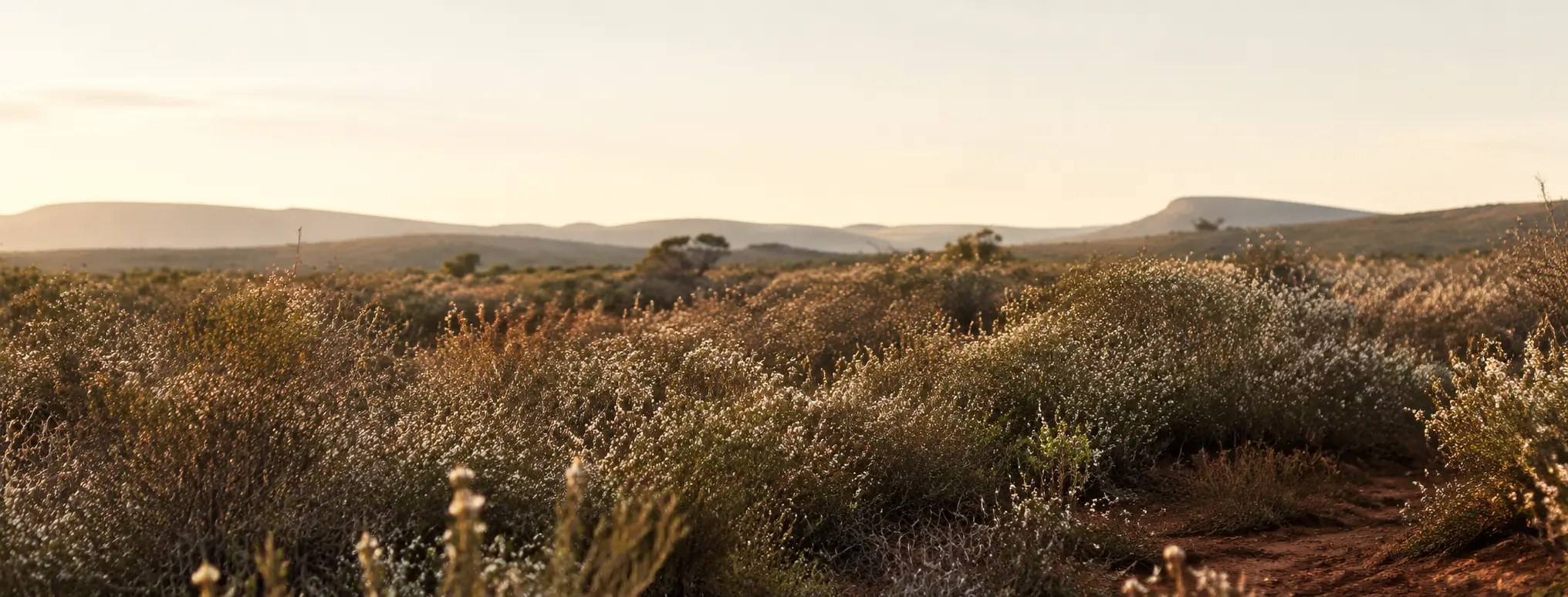
Australian
Mānuka
Explore Australian-origin Mānuka for premium retail, with MGO preference, pack format and destination-market needs guiding the trade discussion.
Buyer priorities
MGO & pack selectionRetail channel fit
Commercial specification
Confirmed in a product-specific offer
02 · New Zealand origin
New Zealand
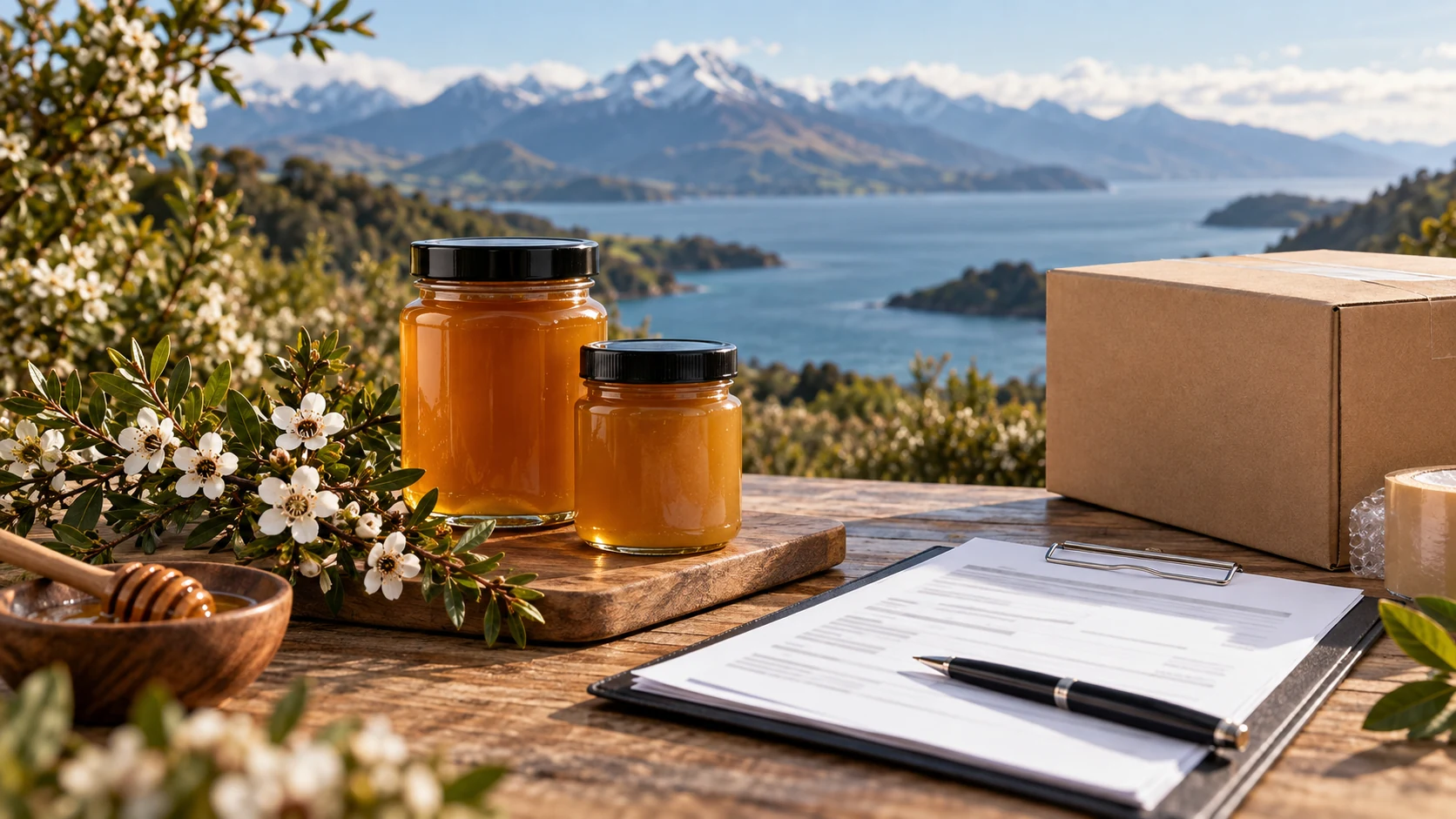
Mānuka
Consider New Zealand-origin Mānuka as a distinct option, where documented origin, MGO specification and channel requirements shape the commercial brief.
Buyer priorities
Origin documentationCommercial fit
Commercial specification
Confirmed in a product-specific offer
Australian and New Zealand Mānuka, presented with distinct origin profiles. Share your preferred grade, pack format and market requirements with our trade team.
View the SELVEH collection ↗ · Singapore wholesale programme ↗
Who we work with
Built around
your channel.
Our trade conversations begin with market positioning, buyer requirements and the conditions for a commercially credible offer.
01Importers & distributors
Define destination-market needs, commercial volumes, documentation priorities and a suitable origin-led portfolio.
02Wholesale partners
Discuss grade selection, 250 g and 500 g formats, order structure and the information required to assess supply.
03Premium retail
Consider a concise, differentiated range with transparent origin presentation and restrained premium packaging.
Your trade brief
A clear partnership.
A useful conversation.
Tell us which market and channel you serve, where SELVEH might fit within your portfolio, and the approximate scope of a potential distribution relationship.
- Market scope
- Worldwide enquiries · destination-specific assessment
- Origin selection
- Australia · New Zealand · Either
- Commercial basis
- Product-specific verification and offer
- Presentation
- Aligned to the selected product and market
For independent buyer education, explore our Australian and New Zealand Mānuka wholesale guides.
Discuss SELVEH distribution ↗
Commercial discipline
Clarity at every
commercial step.
A credible product proposal links the stated origin and grade to the relevant packaging, documentation and delivery requirements.
01Origin & grade
Australian and New Zealand options stay distinct; the agreed grade belongs to a defined product.
02Pack selection
Review the intended jar size, presentation and market-specific labelling requirements.
03Batch evidence
Confirm the applicable source, testing and traceability records for the selected supply route.
04Commercial terms
Assess relevant order quantities, pricing basis, logistics and expected timing for a formal proposal.
05Destination fit
Align documents and importer responsibilities to the actual destination and shipment.
Supporting documents and commercial terms are matched to the defined product, origin, destination and proposed order before any formal commitment.
Market-specific pathway · Singapore
Singapore has its
own buying route.
For a Singapore transaction, clarify whether your business imports directly or buys through a local distributor before comparing quote bases. The responsible importing party must verify applicable food import, consignment and label requirements for the actual product.
The Singapore Mānuka trade partner guide covers direct importing, local distribution and retail buying decisions, including the importer-of-record, expected channel and indicative carton needs. A preferred grade or jar size is an enquiry input, not a confirmed available SKU.
For origin-specific checks, consult the Australian-to-Singapore importer guide or New Zealand-to-Singapore importer pathway. Retail category buyers can use the retail listing checklist.
Preparing a Singapore retail listing? Review the Singapore Mānuka label and claims checklist and the importer recall-readiness guide before finalising product copy, batch documentation or a buyer hand-off. Requirements and supporting evidence should be confirmed for the specific product and importer.
Next step: submit a non-binding global trade enquiry with your company, country, channel, intended importing arrangement and approximate carton interest. This does not imply a local appointment, available inventory, fixed minimum order, quoted price or confirmed consolidated shipment.
International outlook
One brand.
Worldwide interest.
Worldwide enquiries welcomeProduct and market readiness assessed individually
SELVEH welcomes prospective brand-distribution enquiries from qualified trade partners worldwide. We assess channel fit, destination-market obligations and the availability of a supportable SELVEH-branded range before any specific commercial offer.
Singapore is our first trade focus, with international partnership enquiries also welcome. Product availability, documentation and destination-market requirements are confirmed for each proposed transaction.
Explore the Singapore trade programme for local context. For a wider introduction to product evidence and origins, see Mānuka COA guidance and the origin comparison. For destination-specific buyer review, consult the Hong Kong importer checklist, the UAE importer guide or the Great Britain Mānuka import evidence checklist. For Malaysian importers, the Malaysia honey import-readiness guide separates border inspection, food labelling and emerging 2027 food-safety programme requirements. For US retail distributors, our United States Mānuka import guide maps FDA FSVP responsibility, prior notice, label checks and lot evidence without promising product approval. For Japanese retail buyers, the Japan Mānuka import-readiness guide distinguishes MHLW food notification, MAFF animal-quarantine criteria and Japanese food-label requirements.
For European Union buyers, the EU honey-import evidence checklist addresses EU country and establishment eligibility, border certificates and origin labels—a separate route from Great Britain. Across markets, the Mānuka honey HS-code classification guide explains the shared natural-honey heading and why importers must verify the destination tariff digits for the actual product before pricing. Neither guide establishes shipment clearance, available inventory or a binding quote.
01Introduce your business
Tell us your company, channel, origin, grade and volume interests.
02Explore brand fit
We evaluate whether an origin-defined SELVEH range suits your channel and retail positioning.
03Confirm an approved offer
Where supplier, product and market requirements are met, a documented product-specific offer may be provided.
- 01 / The brief
Define the commercial brief.
Identify the destination country, importing legal entity, sales channel, preferred Australian or New Zealand origin, MGO target, jar weight, approximate carton requirement and intended launch period. These are planning inputs—not commitments to available stock or minimum order quantities.
- 02 / Product evidence
Separate evidence from marketing.
Request a product-specific specification and, where available for the proposed batch, relevant analytical documentation. Check the named test, sample identity, laboratory and result against the product being offered. A brand-level statement cannot replace batch-linked evidence.
- 03 / Market entry
Assign import responsibilities.
Establish who is responsible for importer registration, destination-market label review, customs classification, applicable food requirements and clearance. Requirements differ by market and can change; the local importer and relevant authorities must verify them before shipment.
- 04 / Economics
Compare like-for-like delivered costs.
Record the proposed Incoterm and named place, currency, product and packaging specification, freight, insurance where applicable, duties, taxes, clearance and destination handling. An ex-works jar price is not comparable to a fully landed-cost estimate.
- 05 / Approval
Set an evidence-based approval gate.
Keep the proposal conditional until the exact SKU, origin, pack artwork, supporting documentation, commercial offer and responsible importer are agreed in writing. A website enquiry or indicative grade discussion is not an accepted order.
Before the first commercial offer
The evidence should travel
with the product.
Professional buyers can discuss the intended market and assortment early. An executable offer must later reconcile the exact origin, product specification, relevant testing, final label, destination requirements and commercial terms.
Outline your market requirements ↗
International trade enquiry
Explore a SELVEH distribution partnership.
Introduce your business, market and distribution channel. We review prospective SELVEH brand partnerships individually; submitting a form does not reserve products or create a supply commitment.
Prefer email? trade@selveh.com
Trade enquiries are handled by SELVEH Pty Ltd · ABN 44 703 782 692.