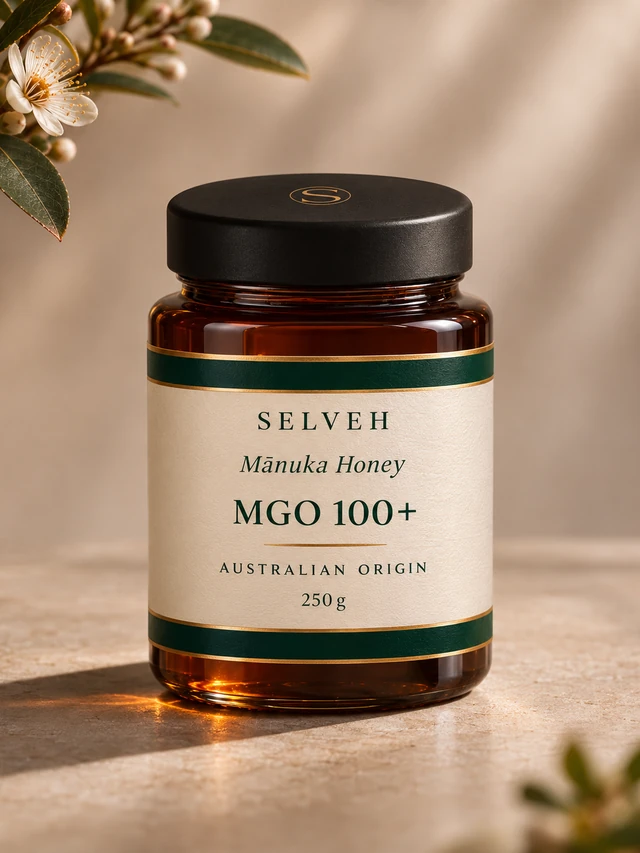
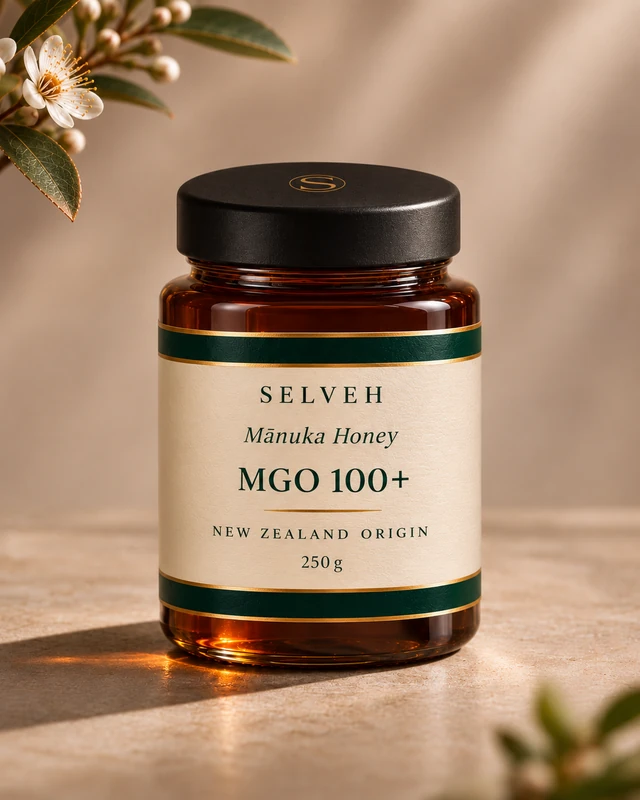
Singapore buyer qualification
What to include in a first wholesale enquiry
A useful first conversation should establish whether the proposed Mānuka range fits your actual buying channel before either party invests time in a speculative price. An enquiry is not a purchase order, and a product preference is not evidence of confirmed stock, approved packaging or a reserved production slot.
Confirm the commercial model: SELVEH-branded distribution
SELVEH is evaluating partnerships for products presented under the SELVEH brand, not requests to manufacture honey with a retailer's own label or provide OEM bulk filling. If you are comparing models, our Singapore branded-distribution versus private-label decision framework separates the different rights, responsibilities and evidence needed. A suitable enquiry specifies importer identity, channel, intended origin, preferred grade and pack, indicative cartons, shelf-price economics and proposed delivery timing; no exclusivity, supply allocation or quote is implied.
Importer or distributor: define the transaction owner
Considering territory or channel rights? The Singapore distribution-agreement buyer framework compares non-exclusive and exclusive discussions, identifies proof needed for forecasts and clarifies why an enquiry is not an appointment.
Identify the Singapore entity that would import the goods, the intended sales channels and whether you require a source-packed retail product or are exploring a different packing arrangement. Share your preferred country of origin, MGO specification, jar size, approximate carton demand and target delivery period. State which party you expect to manage local import, labelling review, clearance and domestic distribution. These responsibilities need to be allocated and verified for the actual transaction; SELVEH does not assume importer-of-record status.
Retail category buyer: define the shelf decision
Specify whether you are evaluating a premium 250 g entry SKU, a 500 g value-per-gram alternative or a small, clearly differentiated range. Give the intended retail price band, expected retailer margin or buying-price ceiling, and any listing, promotional, barcode, shelf-life-at-receipt or packaging requirements. These are buyer inputs, not SELVEH price offers. A lower unit price does not automatically produce a viable shelf proposition once local handling, channel margin and promotional allowances are considered.
Specialty or online retailer: define the proof needed
Describe your customer segment, intended claims and the evidence your product team needs to review. For a proposed origin-specific Mānuka SKU, ask for the applicable product specification, grade basis, batch-linked testing evidence when available, proposed label artwork and product durability documentation. A generic sample or marketing image cannot substitute for batch evidence or destination-specific label review. Do not publish health or therapeutic claims on the assumption that an MGO grade authorises them.
A practical first-contact decision matrix
Questions to resolve before requesting a binding offer| Decision | Buyer information | What remains conditional |
|---|
| Range fit | Origin, grade preference, pack size, channel | Supplier specification, grade evidence, artwork feasibility |
| Commercial fit | Indicative cartons, target retail economics, required timing | Actual MOQ, supply capacity, unit pricing and lead time |
| Import pathway | Named importer, delivery point, local compliance owner | Transaction-specific permits, labelling and clearance requirements |
| Release evidence | Required COA fields, shelf-life threshold, packaging and documentation | Batch-specific records, final label and written offer |
Compatible enquiries are not a group-buy commitment. Where distinct buyers independently request compatible origin, grade, pack and timing, SELVEH may assess whether supplier-origin consolidation is feasible. No pooled discount, shared order window, shipment, MOQ waiver or price is offered by this statement; each buyer's responsibilities and commercial terms remain separate and subject to confirmation.
For New Zealand-origin interest involving more than one buyer, check the Singapore importer and consignment decision gate before assuming one supplier shipment equals one legal import or a lower landed cost.
For detailed preparation, use the Singapore wholesale RFQ guide, compare 250 g versus 500 g retail economics, review landed-cost inputs and check batch COA interpretation. Once you have a concise brief, send a non-binding trade enquiry.
Singapore wholesale route selection · Buyer-side decision tool
Direct import or a Singapore distributor? Decide before requesting a quote.
The same Mānuka honey jar can create two very different purchase decisions. A Singapore company importing finished SELVEH-branded products for its own distribution takes on a different registration, customs and working-capital pathway from a retailer purchasing stock from an independent Singapore distributor. The importer of record, local distribution arrangements and documentary responsibilities must be identified for the route under discussion. This framework helps buyers specify the transaction they want evaluated.
Compare the three buyer pathways
Commercial route selection for a proposed SELVEH-branded Mānuka purchase in Singapore
| Prospective buyer route | Who would handle Singapore import? | Main commercial decision | Stop point before commitment |
|---|
| Singapore importer/distributor buys overseas | The correctly appointed local importing entity, with the required SFA processed-food registration and customs arrangements; a declaring agent may submit on its behalf. | Compare supplier-origin purchase cost plus actual freight, import GST treatment, clearance, warehousing, domestic distribution and working capital against the expected resale ceiling. | Do not treat an overseas price as landed, compliant or deliverable until the named importer, consignment permit plan, final SKU evidence and terms are verified. |
| Retailer buys from a Singapore distributor | The independent distributor or another lawfully designated importing entity—not automatically the retailer. | Request a real local wholesale offer covering delivery point, tax basis, shelf-life on receipt, evidence handover, returns and stock replenishment. | Do not assume a Singapore SELVEH distributor or locally held inventory exists; establish the actual legal counterparty before asking for local-stock delivery. |
| Retailer imports directly | The retailer's eligible Singapore importing entity (or an appropriately appointed import arrangement) if it genuinely meets registration, documentation and permit requirements. | Compare the administrative effort, consignment economics and quality controls with a possible local-distributor purchase. | A freight forwarder or permit-filing agent does not automatically replace the responsible importer. Verify the importer named on trade documents and in declarations. |
Importer versus declaring agent is an important distinction. Singapore Customs explains that a local entity generally may be named as importer when it owns the goods or acts as an appointed agent of an overseas principal, and that the declaration must reflect the genuine trading relationship and documents. The importing entity remains responsible for accurate declarations and regulatory compliance. SFA requires the relevant food importer registration or licence and a consignment-specific TradeNet permit. See Singapore Customs' importer-on-record explanation, the Customs import procedures and SFA's commercial-food import guidance.
Five answers that make an enquiry actionable
- Identify the intended contracting buyer and importer: give your company type and location; state whether you expect to import directly or buy from a named local reseller. Do not submit an unrelated business as importer merely because it has a permit account.
- Define the shelf proposition: specify Australian or New Zealand origin as separate options, preferred MGO specification, retail jar size, channels and intended customer price band, with tax treatment clear.
- Define a credible initial scope: provide approximate cartons by proposed SKU and intended ordering period. Different buyers may express compatible interests, but no group-buy, pooled discount, order window or consignment has been established.
- State the handover and evidence needs: indicate desired delivery basis, documentation, batch/lot and best-before traceability, local labelling review responsibility and importer permit readiness.
- Set a commercial decision rule: compare a documented local delivered offer—or a realistic, fully costed direct-import pathway—against an explicit buyer-side unit-cost ceiling. A hypothetical spreadsheet is not a confirmed quotation.
Choose the next document based on your route. Direct Australian-origin importers can consult the Australian-to-Singapore importer controls; direct New Zealand-origin importers should use the separate New Zealand-to-Singapore checklist. For offer comparability, use the Singapore wholesale RFQ framework, and test actual delivery and margin assumptions against the landed-cost guide.
For a tailored Singapore wholesale discussion, share your sales channel, preferred origin and grade, jar size, approximate cartons, importer route and target timing using the trade enquiry form. Product and commercial terms are set out in an individual written proposal.
If you will import rather than purchase from a local distributor, test the timing of overseas payments, importer charges and retailer collection using the Singapore importer payment and cash-gap guide. It is an educational screening tool, not a SELVEH payment offer.
Singapore retail economics · Buyer-side planning
Work backwards from the shelf before requesting a wholesale price
A Singapore retail listing can fail commercially even when the quoted jar cost appears attractive. Buyers should separate the consumer shelf price, retailer purchase price, distributor selling price and importer landed cost rather than compare a supplier quote directly with the shelf ticket. The following is a calculation method, not SELVEH pricing or a forecast of Singapore demand.
Four numbers to request from your channel
- Consumer selling price: record the intended SGD shelf price and whether GST is included. Do not mix tax-inclusive retail figures with tax-exclusive B2B invoices.
- Retailer gross margin: obtain the retailer's target margin definition, calculated on its own net selling revenue. A margin is not a markup; confirm treatment of GST, discounts, rebates and returns.
- Distributor allowance: where a distributor sits between importer and retailer, identify its required margin, warehousing, delivery, credit and promotional charges. Do not subtract a single assumed percentage without confirming its cost base.
- Importer cost ceiling: calculate the maximum acceptable landed cost after transaction-specific freight, insurance, clearance, local handling and other applicable charges. Confirm who bears each cost under the proposed Incoterm.
Illustrative reverse-margin screen — not a price offer
Suppose a buyer models SGD 40 net retail revenue per jar (excluding any applicable GST) and a 35% retailer gross-margin target. The corresponding retailer buying-price ceiling is SGD 26 before other agreed retailer-side deductions (40 × (1 − 0.35)). If a distributor requires a 20% gross margin on its own selling price, the distributor's buying-price ceiling is SGD 20.80 (26 × (1 − 0.20)), before its separate operating charges. The remaining room for importer margin and import-to-market costs must be calculated, not assumed. These numbers are hypothetical arithmetic inputs, not observed market prices, available wholesale rates or an indication that SELVEH can supply at either ceiling.
Recalculate the screen for each origin, MGO grade and 250 g/500 g format. A 500 g jar may improve a buyer's cost per 100 g yet exceed its acceptable shelf ticket; a 250 g jar may fit the entry ticket while creating higher packaging and handling costs per kilogram. Neither conclusion can be established without actual quotations and channel evidence.
Stop/go questions before a formal quotation
Proceed to a conditional RFQ when the buyer can state the tax treatment, target shelf price, retailer and distributor margin bases, preferred origin and grade, pack size, indicative cartons, importer role and target timing. Hold if a critical charge or margin basis is unknown. Reject the assumed SKU economics when the verified landed cost exceeds the calculated ceiling after realistic allowances. A feasible spreadsheet does not establish supplier availability, legal clearance, confirmed MOQ or a sale.
For the underlying request structure, use the Singapore wholesale RFQ guide; compare 250 g and 500 g pack economics, assess landed-cost components and review the New Zealand-to-Singapore import pathway where relevant. Once your commercial assumptions are defined, send a non-binding trade enquiry.